BLEACHERS: Back In The Van And The Infinite Pursuit Of Honest Noise
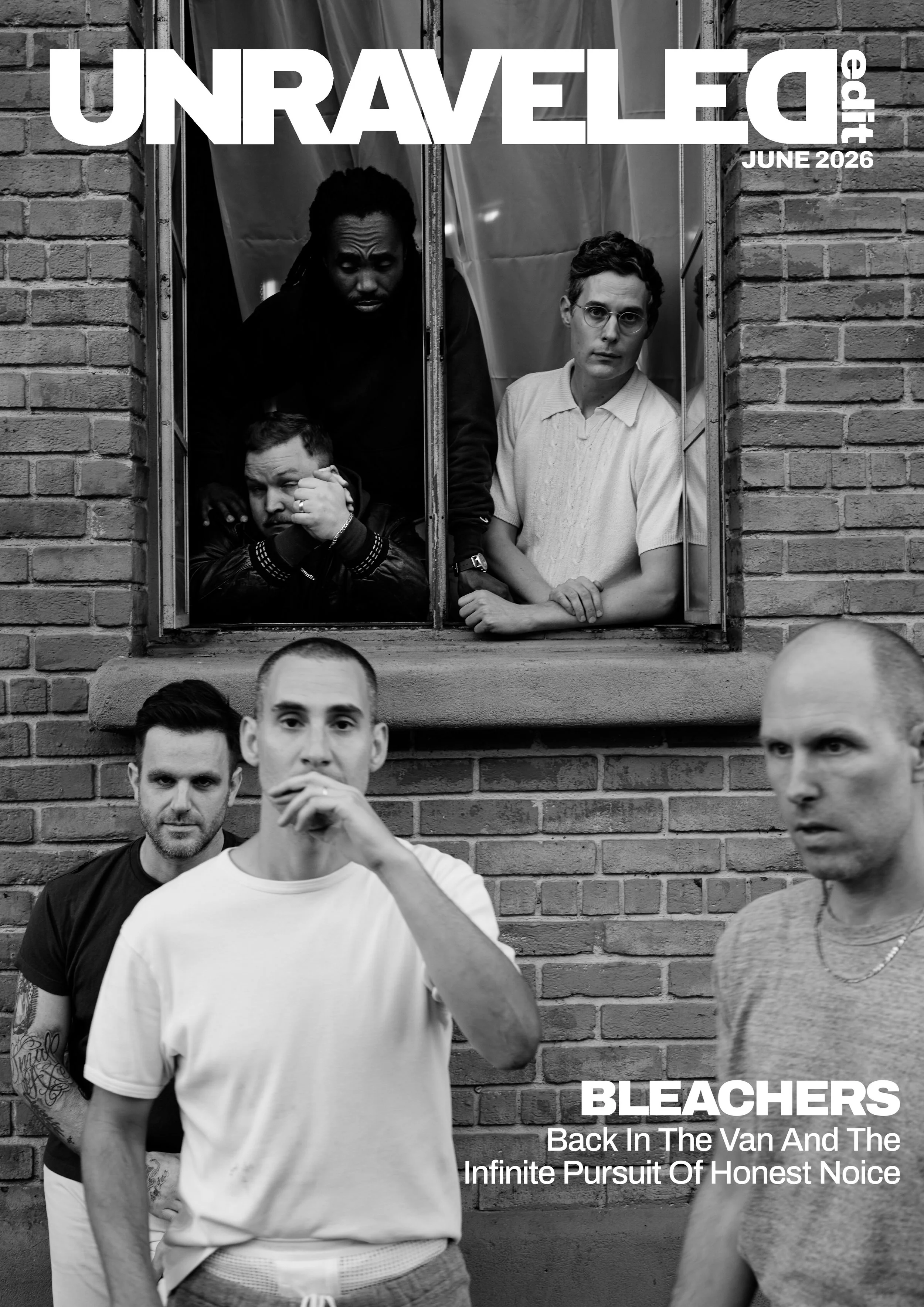
Photography by Alex Lockett
It’s not every day… honestly, it’s closer to never… that an email lands in your inbox stating that Jack Antonoff has time for an interview. For a small publication started by a music fan in Melbourne, Australia, locking in a chat with one of the most defining producers, songwriters, and multi-instrumentalists of our generation feels beautifully surreal.
There must be something in the New Jersey water. Icons like Springsteen, Bon Jovi, and Puth all share the same foundational drive: a reality in which nothing on earth inspired them quite like music. The same is true for Antonoff. "New Jersey’s Finest New Yorker" has spent decades using a classic hometown chip on his shoulder to refine his sonic storytelling, charting a journey from grinding in a touring van to co-creating Grammy-winning masterpieces with the likes of Taylor Swift and Lana Del Rey.
Yet, while the world celebrates him for those massive collaborations, Bleachers is where his heart truly resides. Rather than a mere side project, Bleachers is Antonoff's enduring labour of love. It doesn't pretend to be anything grand or manufactured; it is simply the truest, most authentic interpretation of who he is.
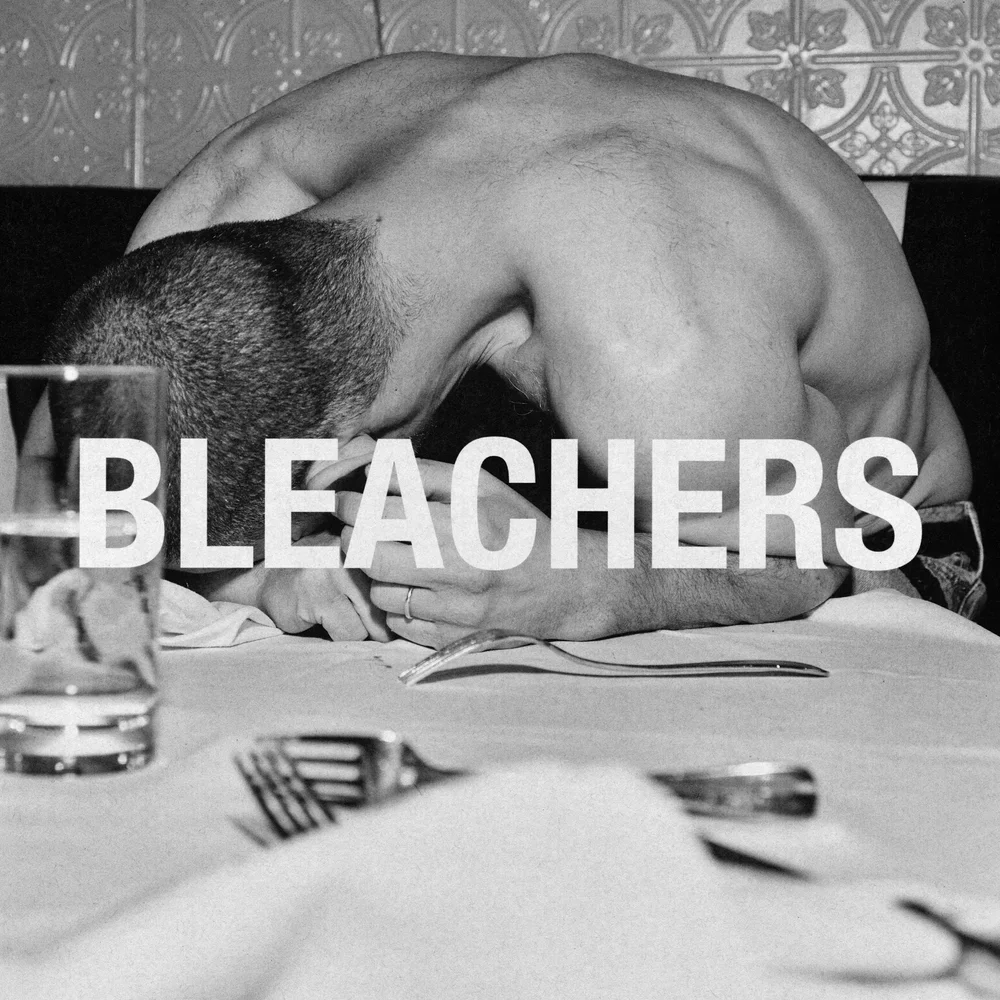
There’s a brilliant bit of sarcasm baked right into the title of Bleachers’ fifth studio album, everyone for ten minutes. Antonoff has always operated on the ethos that his music is for anyone, but absolutely not everyone. While the rest of the world is consumed by ongoing expectations, imposter syndrome and the pressure to chase metrics, Antonoff finds it remarkably easy to opt out of the popularity contest.
As he puts it, writing what you feel naturally filters out the noise/expectations you think others have of you. "If you’re not desperately trying to appeal, then you end up doing whatever you feel, and you end up with an audience that reflects that.” For Antonoff, settling into this headspace marks a massive shift in perspective. "It’s the first time that I’ve felt like it’s worth remarking on," he admits. "A lot of things about touring, playing with people and making music in the studio are enough, and I’ve felt really inspired to double down on these ideas.”
“If you try to please anyone, then you can’t really win. If you did please someone, then you’d have to stand behind it, and if you don’t, you feel like a sellout. The way that making what you feel transpires is a really long journey every time, which is really exciting, and the more resigned you are to making it happen.”
‘the van’ serves as a pivotal track on the album, a moment where everyone for ten minutes revisits Bleachers' roots. It’s an intimate, lived-in piece of storytelling that makes you feel like you're riding shotgun. It traces a line from Antonoff's early days playing gigs at the Wayne Firehouse, yet at the time of this interview, Bleachers just played their release-day show just last week, where he went right back to where it all began, aka a sold-out crowd at the legendary Stone Pony.
When asked about that hometown grit, or the "fuck you juice" (as Zane Lowe famously calls it) that so many New Jersey artists carry, Antonoff attributes it to his upbringing.
"It doesn’t really matter what happens to me; there’s always going to be a part of me that feels misunderstood from all the years that I didn’t have people's approval to rely on," Antonoff shares. "I don’t let that person drive, but they’re still there. They come out in different ways, and it’s really easy to access that stuff. So with the songs or shows at the Pony, I’m not going back in time; I’m just accessing that person who is still with me. A lot of things change, and a lot of things don’t."
While many artists struggle to carry that kind of chip on their shoulder without it consuming them completely, Antonoff views his early struggles as a product of timing.
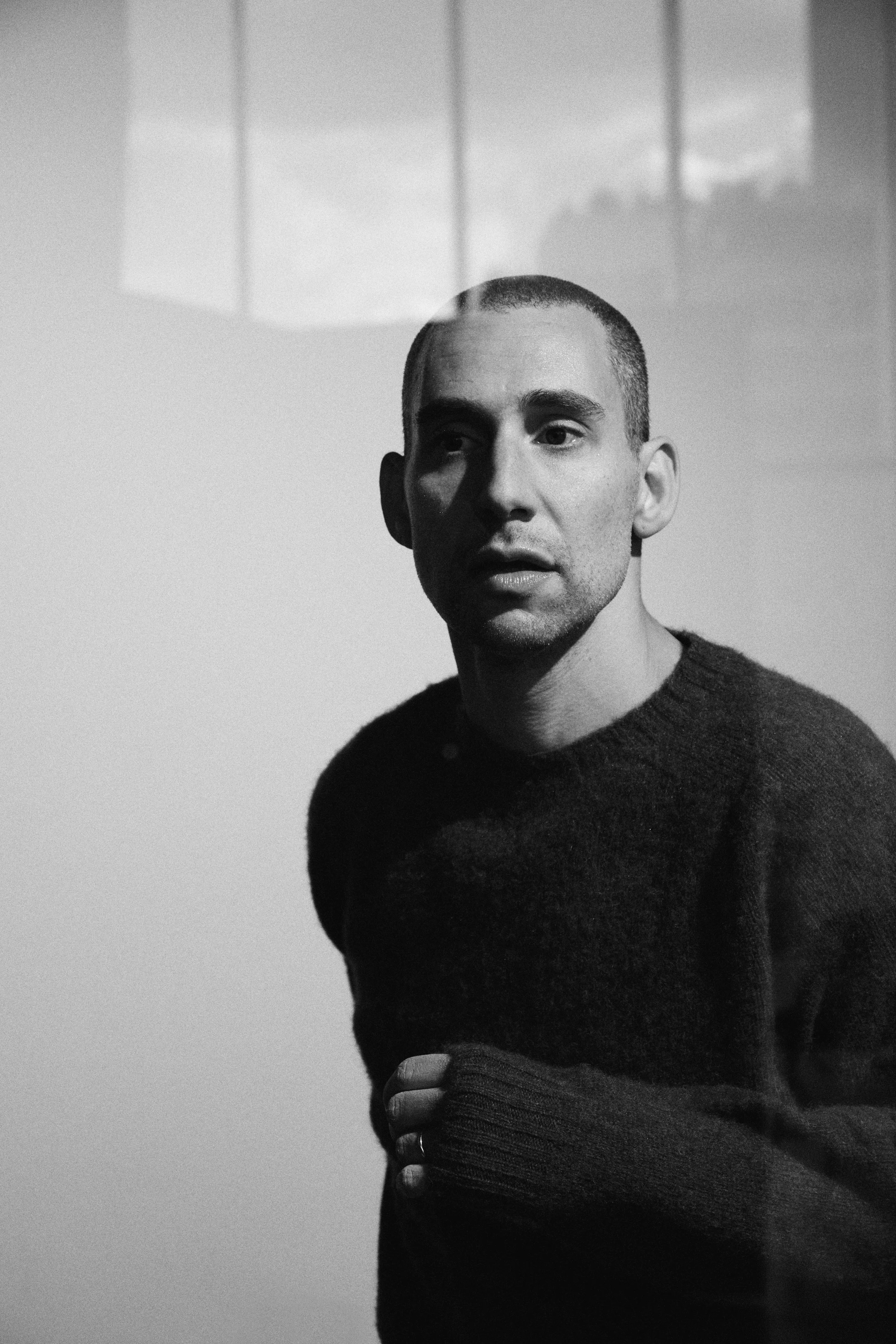
"I got lucky," he admits. "I grew up in a time when there was nothing to do but tour. Now, there’s a good chance I’d be live streaming myself making tons of music, which is another cool way to do it. But back then, I was just worried about booking a show, lining up gigs before and after that show, over and over again. At any given time, there’s a way to try to break through, and that’s just what it was in my era. It was a decade of playing shows for no one else’s benefit but mine and the band's. It was inspiring, it was hard, and looking back, it was incredibly formative."
Though the landscape of the music industry has completely transformed since his days in the van, Antonoff believes the core hustle remains unchanged. "It’s all the same, just a different form," he notes. "All we could do was be as specific and great as we possibly could, and the internet isn’t different in the sense that it’s just a vast space you're trying to break through. But the throughline is that there is a love of doing it regardless of what you get back. And that’s always present."
As a photographer and creative, the music video for ‘you and forever’, co-created with Alex Lockett and Margaret Qualley, was one of my favourite visual aspects of the entire album rollout. Curious about its layered aesthetic, I asked Antonoff how the concept came together. "For that song, we were watching Rear Window and thinking about how amazing all the sets looked," he recalls. "We thought it would be so interesting to get something like that back intact. From there, the conversations started around, 'What if this was a practical set, or what if we used the actual Rear Window set?'"
That same appreciation for honest, layered art bleeds into the tracks themselves. Hearing ‘dirty wedding dress’ for the first time, I was immediately transported back to being ten years old in the passenger seat of my dad's car, watching him blast Bruce Springsteen and tap the dashboard to the beat. It has that exact type of infectious, big-band energy that forces you to move.
Yet, the song's origins stem from a deeply invasive real-world moment. Anyone online at the time remembers the media circus outside Antonoff’s wedding, where a literal wall of paparazzi "vultures" tried to sneak a peek into what should have been an intimate celebration for Jack and Margaret.
When I asked Antonoff how he processed that chaos into art, he admitted he knew right then and there that he had to capture it. "I’m going to write about everything that’s going on here," he recalls. He also didn't have a specific angle mapped out initially: "It could have been a love song, a song about my friends and family, or my hometown." Instead, it morphed into a track "about the duality of the vultures on the outside and my people inside," before ultimately expanding into a broader "metaphor about all the things I love in my life, like my audience."
It’s proof that when inspiration strikes, Antonoff prefers to let the song do its thing and take him where his heart desires. "I just know that you have experiences, and it happens all the time where I don’t know which approach I’m going to take when I write," he says. "It’s just something I’m ruminating on."
everyone for ten minutes is a total masterpiece, and the big takeaway from fans and critics alike is that the band has officially hit their creative peak. After four albums, I had to ask him what was different about the studio chemistry this time around. How did he know they were unlocking something next-level?
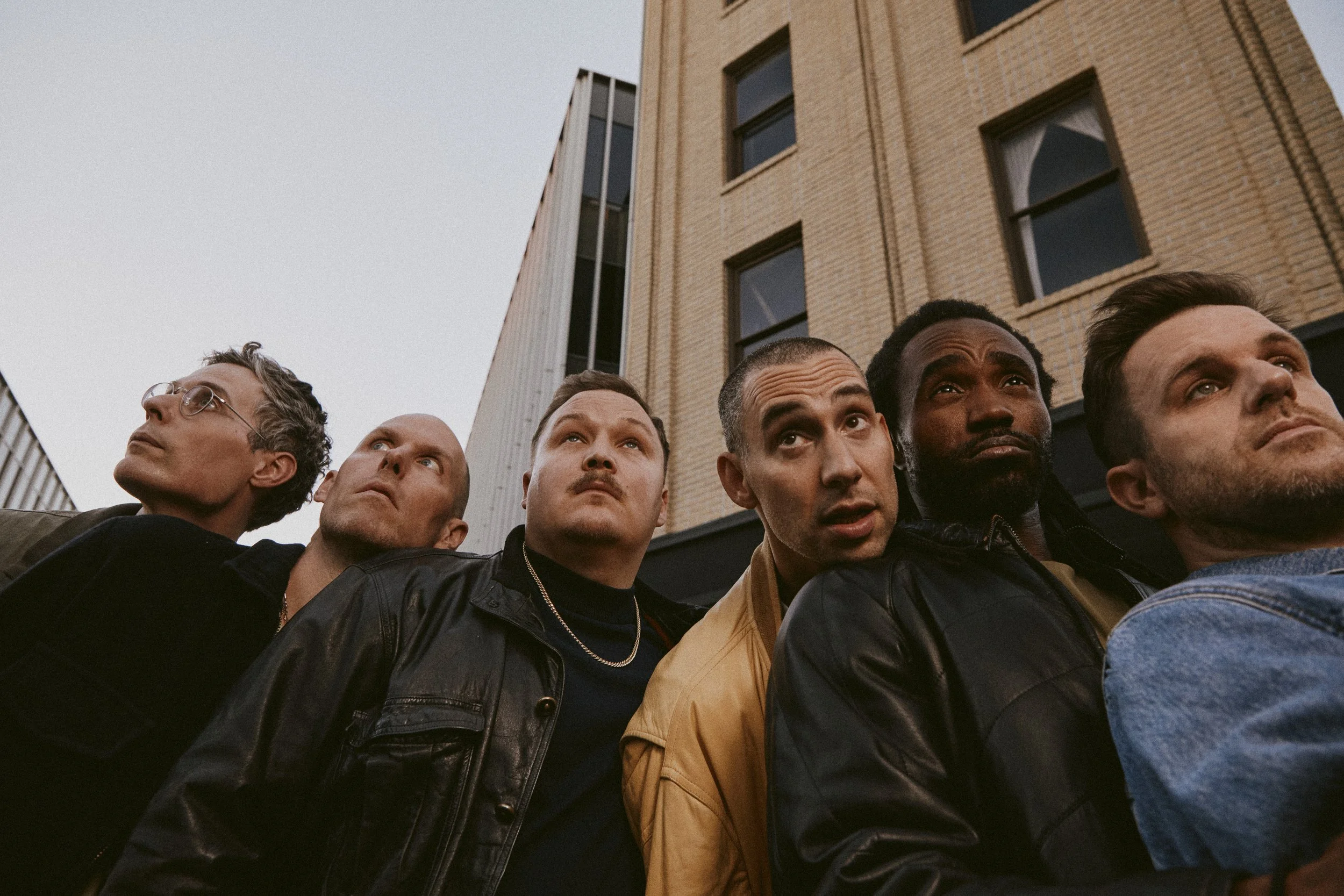
"You just go deeper and deeper," he says. "If you don’t destroy yourself with bad decisions or drugs or things like that, you just have to go deeper and deeper to get better and better." For him, it’s not a surprise; it’s the baseline expectation. "Pushing forward is all we can do. The more we tour, the more we make records, the more we’re ‘us.’ It’s like you have all of that to call on, so it feels like when there is more behind us, it’s a powerful thing and we bring that into the studio.”
Whether you're a visual artist, a musician, or any kind of creative, chasing perfection can completely drain you. But Antonoff’s internal battery operates differently. “Even when I’m really knocked out, I feel really fulfilled. I don’t mind hard things. I don’t mind chasing a dream, no matter how far the route is, it just keeps me going and excited. I’ve never felt lethargic or exhausted by what I do. There’s travel and tour, of course, but I endlessly feel invigorated.”
That exact feeling explodes on ‘take you out tonight’. It perfectly channels the exhaustion of navigating the modern world while delivering the ultimate line: "I could try to leave the road, but I’d end up right back in the van." where Antonoff explains, “I talk my shit about the frustration in music on the album.” Because he's lived in every corner of this industry, he genuinely cares about how the constant bombardment of stats, charts, and streaming goals affects real people.
“It’s pretty hard for me to ever be bummed out with a fellow artist. I just believe in people who really dedicate their life to this... they’re my people. Life is complicated and beautiful, so a lot of my bitchiness gets directed at bigger companies that put bigger ideas in our heads. I would never rinse a fellow artist, but I’m just rinsing the idea that a lot of this is just like a video game. It’s not really at the heart of what we do.”
At its core, this album is a shield against the weird, constantly shifting way art is experienced online today. As he puts it: “We’re trying to access something from within, so the way it gets consumed is really irrelevant when you think about it.”
I couldn't help but think about up-and-coming, smaller artists while he said this. For indie acts trying to break through, success is so often dictated by likes, views, and algorithms. But Antonoff balances that harsh reality with a timeless truth: “It’s always been the case, but at the end of the day, none of this stuff is in place of making your best work.”
We get a slightly different vibe on ‘i’m not joking’, where Antonoff flips the script on standard romance by listing all the things he isn't to prove his love. “Sometimes I think it’s a cheeky way of telling a story," Antonoff says. "The central statement is expressing that I’m not interested in anything, I just want to be with you.” It turns out to be a beautifully raw and unique kind of love song that offers comfort instead of grand, exhausting promises. “I remember hearing a lot of songs where people are listing what they are," he adds. "But I was just ultimately sharing that in my arms, you’re free. I’m not judging.”
If there is a physical heart to Antonoff's universe, it’s Electric Lady Studios in New York City. It's the definitive home base where almost all his masterpieces come to life. The track ‘upstairs at els’ captures exactly how sacred that space is to him, immortalising his tradition of bringing his tightest circle of friends and family upstairs to celebrate the end of a gruelling album cycle. Plenty of artists need to constantly switch up their surroundings to stay inspired, but for him, els is irreplaceable.
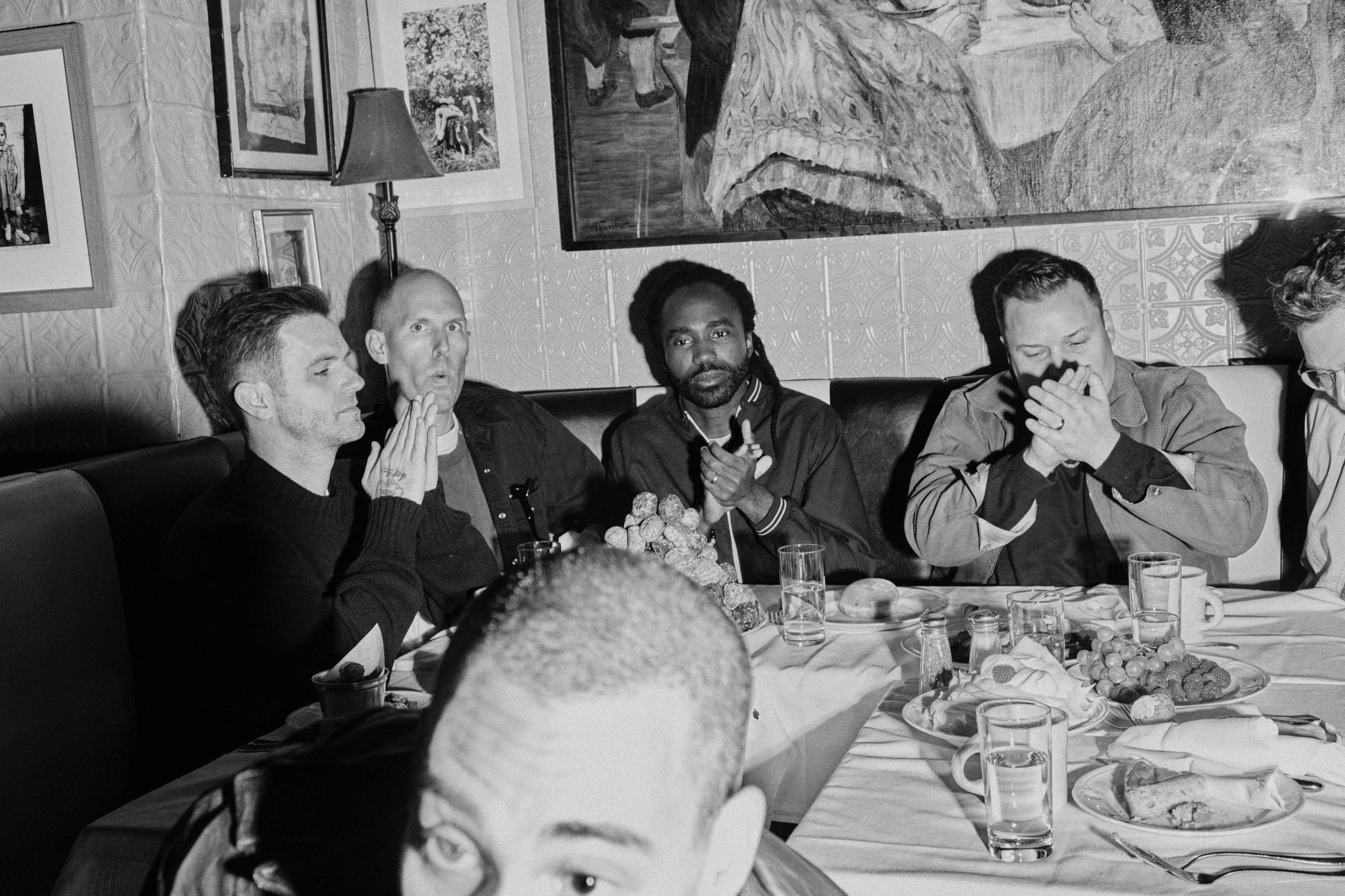
“It’s just home,” Antonoff says. “I set up there, and it’s a magical place. I have lived so many lives up there, so you get to a point where the mythology of the place and your own mythology you have there is a beautiful thing.” Working around the world just makes him homesick for those walls, acting as the ultimate decompression chamber where he can make sense of everything he's been through.
Not many people can casually mention they’re working on multiple era-defining, Grammy-winning albums at the same time. Yet, Antonoff balances his massive workload effortlessly by refusing to treat music like a checklist.
“I always make what I feel compelled to make. I am at my best when I do what I want to do,” he explains. “I like to keep it pretty loose, and I go where I feel compelled, so it never feels like a job. I always saw writing as a pure expression of the soul, and that’s not something I’m in control of. I want to follow what I’m inspired by—otherwise, I’d end up with nothing.”
Bleachers has been the ultimate slow-burn success story over the past ten-plus years, but their self-titled fourth album completely changed the game in terms of mainstream recognition. I asked him why he thinks everything finally clicked.
“There’s a boiling point when you keep pushing that boulder up the hill," he tells me. "I’m not looking for anyone but my people. If you just stay very true to what you do and not let interlopers pull you away from that, there was something where the audience realised how serious we were... Sometimes it takes a while for people to realise how serious something is, and that doesn’t bother me.”
If you’re a fangirl like me, you’re probably still deeply attached to the tight-knit internet fandoms that bond over a shared love for an artist. Antonoff gets that. Through his personal fan newsletter, he gives us a front-row seat to his life and career. I still remember reading a line he wrote recently: “Playing piano at 11 years old took me to a place so far away yet so perfect, that I’ve spent my life trying to recreate that moment.” I had to know if he ever actually finds his way back to that headspace. “It happens all the time," Antonoff says. "I don’t know how it happens, but I just know it only happens in music. That’s my tool to express myself. I realised that at a young age, and it’s never dulled since.” To him, ignoring that pull is out of the question: “It’s almost sacrilegious if you don’t follow it. How lucky is it to feel that connection to something? It’s like loving someone and not being with them, you have to.”
The phrase people keep using to describe this new album cycle is "essentially optimistic whilst peering into darkness." When I asked Antonoff what was going through his head when he started writing, he didn't hold back.
“The big throughline that was compelling me the whole time was that I felt like I was on the fucking edge,” he says. “I just had this burning, intense feeling that I’m so excited and so terrified all at once. And there’s a hopefulness to it in knowing that this ain't it. Things are bad, and things could get worse, but they could also split off into something beautiful. I wrote the whole album and will do the whole tour from that place. That’s the connective tissue right now of how I’m feeling and how I’m writing.”
That intense emotional weight explains why Antonoff frequently launches into those iconic, chaotic, screaming rants during Bleachers' bridges. “I don’t like to write unless there’s something hopeful in it. I can’t just stay in the dissonance," he explains. "I’ll likely want to go somewhere else, but you’ll know it when you hear it. I listen back and think, 'I like that, and it’s a cool song, but it’s not at the heart of what I do.' I’ll keep searching for this honesty for a long time.”

In a world full of AI-generated junk and hyper-polished pop formulas, Bleachers feels like a breath of fresh air. Antonoff believes that being uncomfortably real is an artist's only survival strategy left.
“It’s the only thing you can do now, to be the most specific and the most human," Antonoff says. "It’s like the show Westworld, where there are all these people, but some of them are robots, and you can’t really tell because the robots have become so convincing. You have to dive into that indescribable piece of humanity that is just a feeling, and that’s what you’ve gotta do now.”
So, what does it actually look like inside the legendary Electric Lady Studios when Bleachers are bringing that to life? Antonoff painted a picture of the room for us:
“It’s pretty loose until it’s not. At Electric Lady, there’s a control room, and then there’s a lounge and the roof, where you can see everyone through all the different windows. Lee is always burning Palo Santo, but there’s also that smell of an old building in New York. There’s also the impossible task of getting everyone to their instruments, and yet there we are. The moment we’re actually playing, that’s quick. Once we’ve got it, we’ve got it.”
Before I could even finish asking my last question, the second the word "Australia" left my mouth, Jack completely lit up. “We’ve gotta come, man," he smiled. "I love you all, I can't wait to be there. Those shows are going to be fucking nuts because it’s just like that feeling of never being somewhere you’re supposed to be. I know there are fans there and we can’t wait to see them.”
After an incredibly lovely chat with Jack Antonoff, all I have left to say is go stream, listen, and buy the absolute hell out of Bleachers’ fifth studio album, everyone for ten minutes, wherever you can. And in true Jack Antonoff fashion, don’t forget to keep chasing after what you love.