Role Model Finds The Sweet Spot Between Heartbreak and Harmony In New Album Chuck Timely & The Hourglass
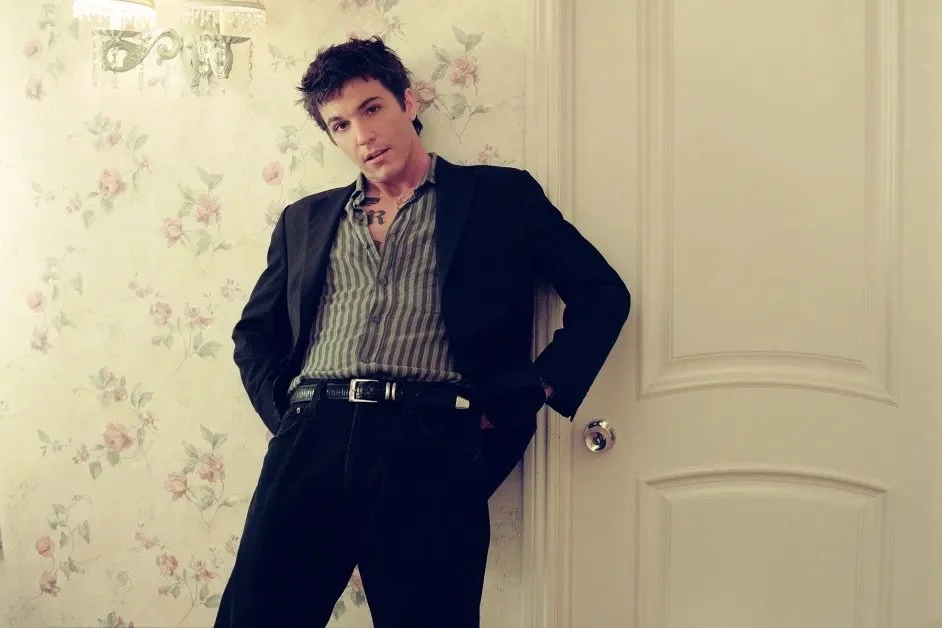
Photo Credit: Chloe Chippendale
When you ask the universe for love, what happens?
If you're Tucker Pillsbury, better known as Role Model, you end up making one of the most compelling records of your career.
Chuck Timely & The Hourglass feels like the answer to a question he began asking on Kansas Anymore. Where that album lived in the aftermath of heartbreak, full of regret, longing and learning how to exist on your own; its successor is about something far scarier: allowing yourself to be loved again.
The transformation is laid bare almost immediately on ‘Chuck's Mantra’, where he repeats, "I am deserving / of something real / something true / someday soon." It's a simple affirmation, but it marks one of the biggest moments of character development we've seen from Role Model. The man who once documented the fallout of a relationship now sounds ready to believe that happiness might actually be something for him.
Musically, the foundation remains familiar. The grungy country-pop sound introduced on Kansas Anymore is still here, continuing to feel like the sweet spot Role Model has been searching for throughout his career. Vintage Americana meets polished pop melodies, creating a sound that's nostalgic without feeling unoriginal.
Fans have become accustomed to Pillsbury’s unique online persona. The self-proclaimed Saint Laurent Cowboy joking about funding his dream Birkin bag through ticket sales, or turning his on-stage Sally appearances into a revolving door of celebrity cameos from Olivia Rodrigo to Robert Irwin. But Chuck Timely & The Hourglass strips much of that away. Beneath the humour is someone genuinely trying to convince himself that he's worthy of lasting love.
Even the tracklist tells the story. Titles like ‘High Hopes 3000’, ‘Joy’, ‘Good Thing’ and ‘Love I You’ signal optimism before a single lyric has been sung.
‘Love I You’ serves as one of the album's narrative centrepieces. The song captures the awkward and drunk beauty of trying to say "I love you" before you've quite figured out how. "My words blend together / but love I do," Pillsbury sings, before following it with the wonderfully imperfect confession: "Yes I'm drunk / but I'm ready / to take you home and love you long and steady." His trademark self-deprecating humour is still present "I'm desperate, complacent, pathetic / but I made it out the basement" but the slow-burning production gives those jokes unexpected emotional weight. It's funny until you realise he means every word.
That uncertainty continues on ‘A Song Is All You Get’, where love is treated less like a guarantee and more like a gamble. "Sometimes you get a drink / sometimes you get nothing sometimes you walk away worse than before / but that’s still something….” “sometimes you get nothing but a song." It's one of the album's sharpest pieces of writing, the thought that vulnerability rarely comes with certainty.
‘Chasing Midnight’ slows everything down even further. Built around the dread of knowing a fleeting connection has an expiry date, Pillsbury admits, "We're a dead end, but hell I'll take what I can get." The repeated echoes of "she'll be gone" almost feel like thoughts left behind from Kansas Anymore, reminding us that healing isn't always linear.
By the time ‘Good Thing’ arrives, something has shifted. Born from an impromptu jam session, the track perfectly demonstrates the chemistry between Pillsbury and collaborators Mason Stoops and Taylor Mackall. As mentioned in his recent interview with Zane Lowe, it also follows one of country music's oldest unwritten rules: save the title for the moment it lands hardest. When it finally arrives, it feels earned. The song wrestles with the terrifying possibility that maybe this new relationship really is a good thing. And maybe trusting it isn't such a bad idea after all.
Then comes ‘Joy’, arguably the album's defining statement. Since debuting its bridge at Primavera Sound, fans have practically adopted it as a daily affirmation, repeating the lyrics with the kind of devotion usually reserved for internet catchphrases. Except this doesn't feel ironic. It feels communal. Like everyone is trying to manifest a little more joy alongside him. There's something timeless about the track too. Taken from the expert Zane Lowe himself "with echoes of early MTV-era pop-rock" that somehow sound completely fresh.
‘Service Receipt’ channels vintage Americana with the warmth of an old CD mixtape playing through your dad's car speakers. Tucker slips effortlessly between clever wordplay "Hell, I bought somebody flowers for a two-lip kiss" and genuine vulnerability, treating the words "I love you" as something that still catches in his throat. A major note I made when listening to this for the first time was the soaring vocal on "one more night" quietly showcases just how much he's grown as a singer over the past few years.
The album refuses to become overly sentimental. Though ‘Stain’ confronts the instinct to push people away, unpacking years of emotional self-protection before accepting that receiving love requires surrendering some independence. Meanwhile, ‘The Wedding’ reads like a page torn straight from Pillsbury’s journal. Watching a close friend's wedding unexpectedly dismantling his own cynicism, leading to one of the album's most affecting admissions: "Last night I told myself that I'd never get married." But by the end of the evening, he's recalling that he "didn’t think I’d have to dry my eyes / but I was shaking / oh I was breaking down".
The closing track ‘Harmony’ ties the record together beautifully. Time has quietly haunted the album from beginning to end, fitting for a project built around the Chuck Timely persona and the symbolism of an hourglass. At 29, Pillsbury wrestles with the pressure of finding love while simultaneously trying to convince himself there's no rush. Wrapped in glossy '80s-inspired pop-rock with shades of Fleetwood Mac and Georgia Satellites, ‘Harmony’ ultimately accepts that love doesn’t come without being willing to go through the highs and lows, and that's exactly what makes it meaningful.
Behind the scenes, that sense of trust extended to the making of the record itself. Following the breakout success of ‘Sally, When the Wine Runs Out’, Pillsbury revealed in his interview with Zane Lowe that he resisted industry pressure to chase blockbuster producers, instead sticking with his gut and collaborating with Mason Stoops and Taylor Mackall. This album is proof that the decision paid off. Rather than sounding over-polished, Chuck Timely & The Hourglass feels lived in, warm and deeply human.
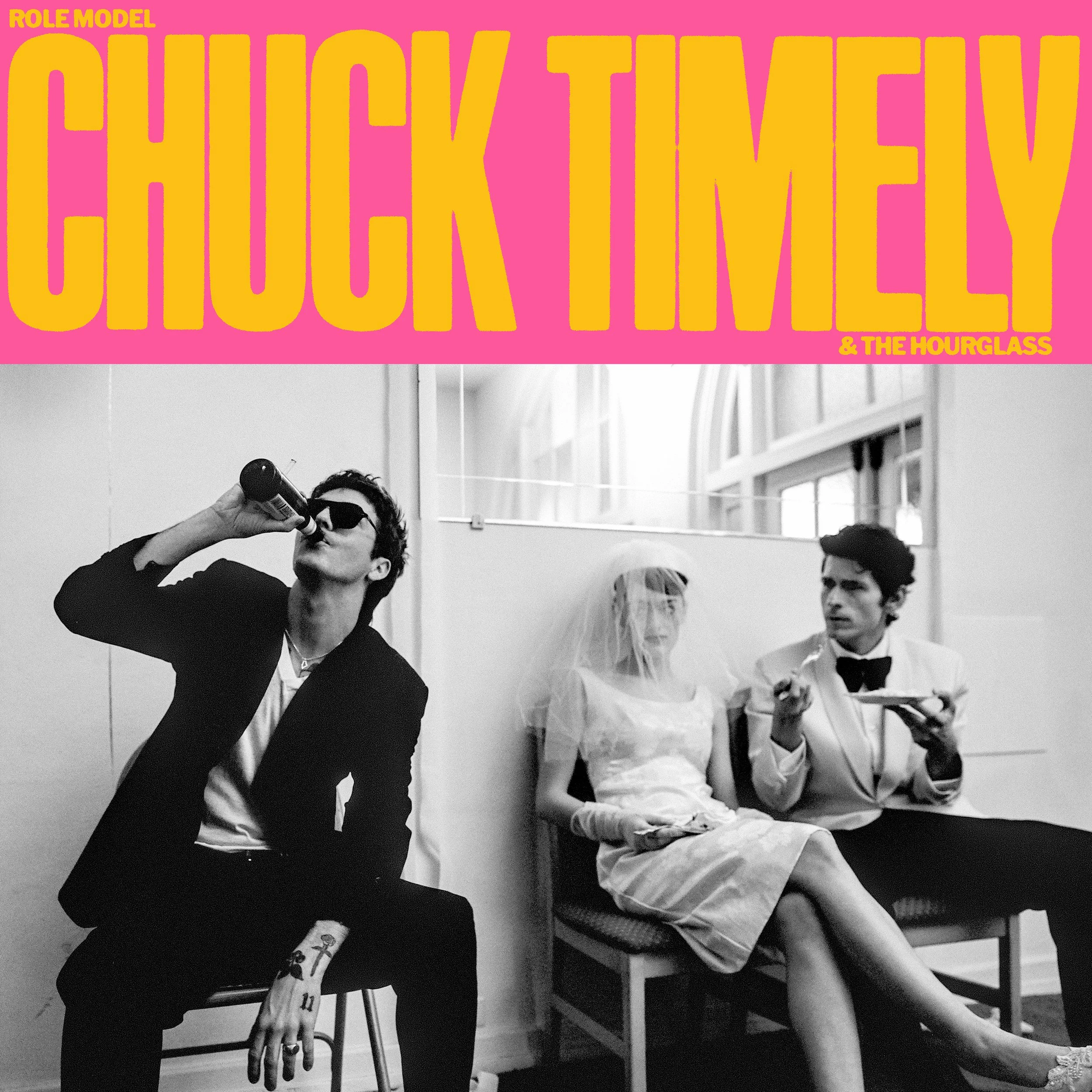
It's fitting that Pillsbury has said the Chuck Timely character emerged after writing these songs, once he realised how much time had shaped both the album and his own perspective. Throughout the record, he borrows from different eras of his songwriting while moving unmistakably forward.
Writing about heartbreak has always come naturally. Writing about hope is much harder. Yet Chuck Timely & The Hourglass succeeds because it understands that falling in love isn't just exciting, it's terrifying.
Sometimes asking for love really does get you something extraordinary. In this case, it got us one hell of an album.